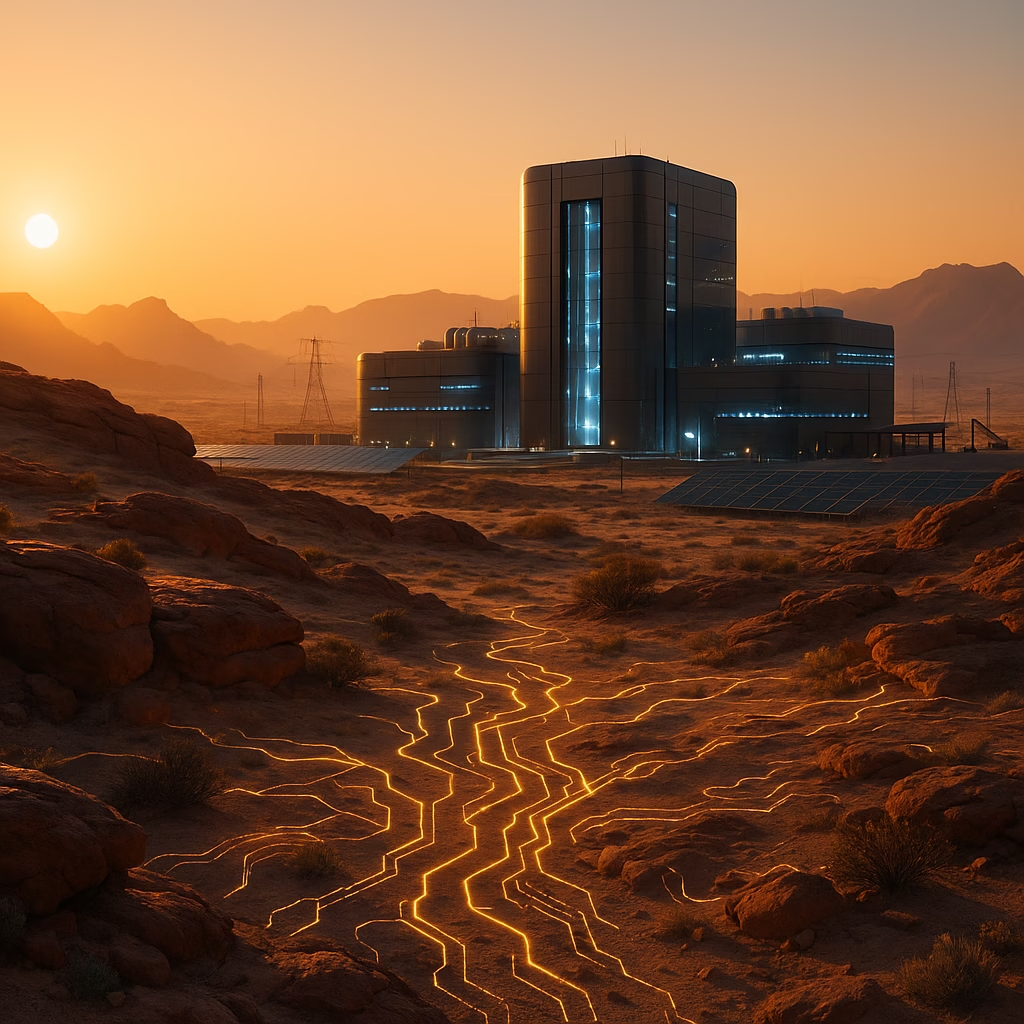
AI Data Centers Spark a New Digital Gold Rush in Nevada — What’s Really at Stake?
Nevada is once again at the center of a boom. This time, it is not silver, casinos, or even electric vehicles driving the rush, but AI data centers — vast, power-hungry complexes designed to train and run advanced artificial intelligence systems. As global AI market growth accelerates and tech giants race to secure computing power, Nevada’s desert land, tax incentives, and proximity to major West Coast hubs have turned the state into a strategic battleground for the next phase of the digital economy.
From Empty Desert to AI Infrastructure Hub
The same arid landscapes that once attracted mining companies and later sprawling suburbs are now being targeted for hyperscale data center campuses. Large tech firms and specialized infrastructure companies are quietly acquiring land, building massive warehouses of servers, and plugging into high-voltage transmission lines.
Several factors make Nevada particularly attractive:
- Abundant land on the outskirts of cities like Reno and Las Vegas, suitable for large, secure facilities.
- Tax breaks and incentives for data centers and technology investment, which lower long-term operating costs.
- Existing energy infrastructure built to support casinos, mining, and industrial projects.
- Proximity to California and major tech ecosystems, while avoiding some of California’s higher costs and tighter regulations.
This combination is turning Nevada into a critical node in the infrastructure behind generative AI, cloud computing, and large-language models that power everything from search engines to enterprise automation.
Energy Demand Collides With Climate and Water Constraints
Behind the economic opportunity lies a stark challenge: AI data centers are enormously energy-intensive. The surge in AI computing has become a major factor in broader electricity demand and is increasingly part of the global conversation about climate change and inflation trends linked to higher energy costs.
Nevada’s grid operators and policymakers are being forced to confront questions that many regions are now grappling with:
- How much new power generation will be needed to support AI infrastructure?
- Can that power be sourced from renewables fast enough to align with climate targets?
- What happens to household and business bills if large data centers lock in long-term power contracts?
Water use is another flashpoint. Traditional data centers often rely on evaporative cooling systems that consume significant amounts of water — a sensitive issue in a state already contending with drought and shrinking reservoirs. While operators are investing in more efficient and air-cooled systems, local communities and environmental groups remain wary of locking in high water demand for decades to come.
Jobs, Housing, and the Local Economic Outlook
For local officials, AI infrastructure promises new tax revenue and a more diversified economy beyond tourism and gaming. Large data center projects can stimulate:
- Construction jobs in the short term, often involving local contractors and union labor.
- Long-term technical roles in operations, maintenance, and security.
- Secondary investment in roads, utilities, and nearby commercial development.
Yet there is tension between the scale of investment and the number of permanent jobs created. Modern AI data centers are highly automated, and once built, they need far fewer workers than factories or distribution hubs of similar size. As a result, some residents question whether the trade-offs in land use, noise, and infrastructure strain are justified by the local benefits.
The boom also intersects with housing prices 2025 and broader concerns about affordability. Rapid development in and around Reno and other fast-growing areas has already pushed up rents and home prices. While data centers do not bring as many employees as a large corporate campus, associated growth — from contractors to support services — can still add pressure to limited housing stock, complicating the state’s broader economic outlook.
Land, Secrecy, and the Politics of Incentives
The race to build AI data centers has also sparked debates about transparency and land use. Many deals are negotiated quietly, with non-disclosure agreements shielding the identity of the ultimate tech clients until late in the process. Residents and local advocacy groups often learn about projects only after key decisions on zoning or tax abatements have been made.
This fuels concerns about:
- Public subsidies granted to highly profitable global corporations.
- Long-term commitments that may lock communities into specific industrial uses.
- Limited local input into how land and water are allocated.
Supporters argue that without incentives, Nevada would lose out to competing states aggressively courting the same companies. Critics counter that the rush to secure AI investment risks repeating earlier cycles of boom-and-bust development, leaving communities to shoulder infrastructure costs if corporate strategies shift.
Can Nevada Build a Sustainable AI Future?
Nevada’s AI data center expansion sits at the crossroads of multiple global trends: the explosive rise of generative AI, intensifying climate pressures, volatile energy markets, and shifting regional economic outlook forecasts. How the state manages this moment could shape its economy and environment for decades.
Key questions now facing policymakers, utilities, and residents include:
- Will new AI-driven demand accelerate investment in renewable energy and grid modernization, or deepen dependence on fossil fuels?
- Can planning rules and water policies keep pace with the speed of corporate investment?
- How can local communities secure fair returns — in jobs, training, and public revenue — from infrastructure that underpins global tech profits?
Nevada has long marketed itself as a place where big, capital-intensive projects can move quickly. The AI era is putting that identity to the test. As data centers rise from the desert floor, the state is emerging as a real-time case study in how societies balance digital ambition with environmental limits and community needs. Whether this becomes a model of sustainable innovation or another chapter in the West’s extractive history will depend on decisions being made right now — often far from the server halls that will define the next wave of the digital economy.
Reference Sources
The Guardian – Nevada AI data centers and the new digital gold rush





Leave a Reply